
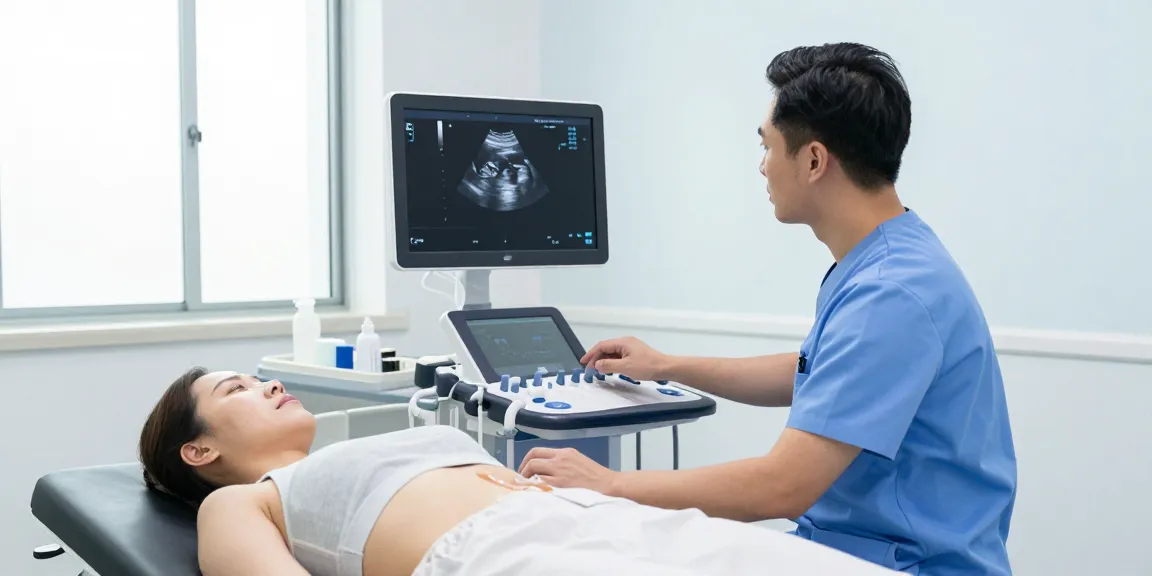
Understanding the Ultrasound Scanner Market
The ultrasound scanner market has seen rapid growth in recent years, driven by advancements in technology and increased demand for non-invasive medical imaging solutions. These devices are indispensable in various medical fields, including obstetrics, cardiology, and emergency medicine. As healthcare professionals seek to enhance patient care and streamline their workflows, understanding the nuances of the ultrasound scanner market is essential. It’s important to consider factors such as the types of ultrasound machines available, their applications, and the best practices for purchasing one. For those looking to buy ultrasound scanner, this overview will provide critical insights into the industry dynamics and the technological advancements shaping the future.
What is an Ultrasound Scanner?
An ultrasound scanner is a medical imaging device that utilizes high-frequency sound waves to create images of organs and structures inside the body. Unlike other imaging modalities such as X-rays or CT scans, ultrasound is non-invasive and does not involve ionizing radiation, making it a safer option for both patients and healthcare providers. These machines convert sound waves into real-time visual representations, allowing practitioners to assess conditions such as pregnancy, abdominal pain, or cardiac issues. The versatility of ultrasound technology makes it suitable for a wide range of medical applications, pushing its demand across various healthcare settings.
Current Innovations in Ultrasound Technology
The ultrasound technology landscape is constantly evolving, with innovations that enhance imaging capabilities, improve user experience, and expand applications. Some noteworthy advancements include:
- 3D and 4D Imaging: These technologies enable healthcare providers to obtain comprehensive insights into anatomical structures, particularly useful in obstetrics.
- Portable and Handheld Devices: Simplifying access to ultrasound technology, these compact systems allow for point-of-care imaging, improving diagnostic efficiency.
- Artificial Intelligence (AI): AI algorithms are increasingly integrated into ultrasound systems, assisting in image analysis and interpretation, which can reduce the workload on medical professionals.
Key Players in the Ultrasound Scanner Industry
The ultrasound scanner industry is characterized by several key players, each contributing unique technologies and services. Major manufacturers include GE Healthcare, Siemens Healthineers, Philips, and Canon Medical Systems. These companies continually invest in research and development to maintain competitiveness and improve diagnostic accuracy through innovative products. Additionally, emerging startups are entering the market, frequently focusing on AI-enhanced imaging solutions and affordability to address the varied needs of medical facilities. Understanding these players helps potential buyers gauge their options in terms of technology, pricing, and support services.
Benefits of Purchasing an Ultrasound Scanner
Buying an ultrasound scanner can be a transformative decision for healthcare practices, offering numerous benefits that enhance patient care and operational efficiency. Here are some advantages to consider:
Enhanced Patient Care Through Early Diagnosis
The ability to diagnose conditions early is paramount in healthcare. Ultrasound machines provide real-time imaging that allows for timely assessments, which can lead to earlier interventions. For instance, in obstetrics, ultrasound is essential in monitoring fetal development and identifying congenital anomalies early in pregnancy. This early diagnosis can significantly improve patient outcomes and allows practitioners to create more effective treatment plans.
Cost-Effectiveness for Medical Facilities
Investing in an ultrasound scanner can lead to considerable cost savings for medical practices in the long run. It minimizes the need for external imaging referrals, which can be both time-consuming and costly. Additionally, owning a scanner reduces the overall wait times for patients, thus improving operational efficiency. Practices can provide better service by keeping much of the imaging in-house, allowing them to allocate resources effectively.
Improved Workflow and Efficiency in Practices
Having an ultrasound device on-site streamlines the workflow within medical facilities. Practitioners can perform immediate imaging and review results in real-time, reducing the time between diagnosis and treatment. This enhanced efficiency not only improves patient satisfaction but also optimizes the use of medical staff, allowing them to focus on providing care rather than coordinating with external imaging facilities.
Common Challenges in Buying an Ultrasound Scanner
While the benefits are clear, prospective buyers must navigate several challenges when purchasing an ultrasound scanner. Understanding these challenges will prepare medical facilities for a successful acquisition.
Understanding Various Models and Features
The diversity of ultrasound scanners on the market can be overwhelming. From portable devices to advanced systems with 3D imaging capabilities, facilities must carefully assess their specific needs. Each model comes with different features, settings, and cost structures, making it critical to evaluate which attributes align with the practice’s requirements. Conducting thorough research on available models and understanding their functionalities is essential for making an informed choice.
Budget Constraints and Financing Options
Budgetary considerations can pose a significant barrier for many healthcare facilities. High-quality ultrasound scanners can require substantial upfront investment. However, numerous financing options, such as leasing and payment plans, can relieve immediate financial pressure. It’s important for practices to explore all available funding avenues, including grants and loans, which can help bridge the gap between budget constraints and necessary investments in technology.
Misinformation Around Portable vs. Stationary Scanners
There is often confusion regarding the effectiveness and applications of portable versus stationary ultrasound scanners. While portable devices offer convenience and accessibility, they may not always match the imaging quality of more advanced stationary models. It is essential for buyers to understand the specific use cases for each type, including where each might be most effective based on the facility’s patient population and operational needs. Consulting with experienced professionals or product representatives can clarify these differences.
Best Practices for Selecting an Ultrasound Scanner
Selecting the right ultrasound scanner goes beyond just comparing prices. Here are key best practices to consider in making your purchasing decision:
Evaluating Technical Specifications and Compatibility
Technical specifications play a crucial role in determining which ultrasound scanner is the best fit for a medical facility. Key aspects to consider include frequency range, image resolution, and software compatibility. Assessing whether the device can integrate with existing EMR (Electronic Medical Records) systems is also vital for seamless operations. Each practice will have unique requirements based on the types of procedures performed, making this evaluation essential.
Assessing Vendor Reputation and Support Services
When investing in medical equipment, the reputation of the vendor can significantly impact long-term satisfaction. Prospective buyers should research company reviews, certifications, and support offerings. Reliable after-sales service, including regular maintenance and training, can enhance the usage of ultrasound scanners and increase their longevity. Establishing a relationship with trusted vendors can prevent future issues and ensure smooth operations.
Conducting Real-World Case Studies
Case studies from other facilities that have implemented ultrasound scanners can offer invaluable insights. This research allows potential buyers to understand the practical implications of different models, how they have been utilized in varied settings, and the outcomes achieved. Engaging with existing users and gathering feedback can aid in assessing potential purchases, serving as a reliable guide to making an informed decision.
Future Trends in Ultrasound Technology
Looking ahead, the future of ultrasound technology is bright, with various trends expected to shape the market significantly. By staying informed about emerging technologies, medical facilities can better prepare for upcoming changes.
Predicted Developments for 2026 and Beyond
By 2026, advancements in ultrasound technology will likely continue, with increased emphasis on portability and accessibility. The integration of machine learning and AI for automated analysis will greatly enhance image quality and diagnostic accuracy. Moreover, as telemedicine gains traction, remote ultrasound imaging and interpretations are expected to become more commonplace, allowing practitioners to provide timely care regardless of their physical location.
Integration of AI in Ultrasound Imaging
The integration of artificial intelligence in ultrasound imaging represents a significant paradigm shift. AI can assist in automating image analysis, detecting abnormalities that may be missed by the human eye, and providing decision support in diagnostic processes. As AI technologies mature, they will likely become a standard component of ultrasound systems, fundamentally altering how practitioners operate and interact with imaging data.
Shifts in Regulatory Standards and Compliance
Regulatory standards surrounding medical imaging are evolving, with increased scrutiny on safety, efficacy, and data privacy. Healthcare facilities must stay updated with changes in compliance requirements as they relate to ultrasound technology. This vigilance will not only ensure adherence to legal guidelines but will also promote the highest quality of patient care.
What Are the Common Questions Regarding Ultrasound Scanners?
Prospective buyers often have several questions when considering ultrasound scanners. Addressing these queries can facilitate informed decision-making. Common questions include:
- How often should an ultrasound scanner be calibrated? Regular calibration is essential for maintaining accuracy; typically, this is done annually.
- What training is required for staff? Staff should undergo comprehensive training on the operation and troubleshooting of ultrasound machines to ensure effective usage.
- Are maintenance contracts worth it? Maintenance contracts can save costs by providing regular servicing and reducing the risk of unexpected repairs.
How to Choose the Right Ultrasound Scanner for Your Practice?
Choosing the right ultrasound scanner involves understanding your specific needs, evaluating technical specifications, and considering future growth. Additionally, seeking input from various stakeholders, including clinicians and technical staff, can provide a well-rounded perspective on the best equipment for your facility. Ultimately, a comprehensive needs assessment is key to selecting a scanner that fits both current and future requirements.
What Are the Financial Benefits of Owning an Ultrasound Scanner?
Owning an ultrasound scanner can yield substantial financial benefits for medical practices. By reducing referral costs and wait times, facilities can improve patient turnover. Additionally, offering ultrasound services in-house can attract new patients and retain existing ones, ultimately enhancing revenue streams. Furthermore, the investment can pay for itself through increased efficiency and reduced overhead in imaging services.
Are Portable Ultrasound Scanners Effective?
Portable ultrasound scanners have gained prominence for their convenience and versatility. While they generally offer adequate imaging capabilities for many applications, users should be mindful of their limitations compared to high-end stationary systems. Evaluating the intended use—be it emergency services, outpatient care, or specialized diagnostics—will help determine if a portable solution is effective for the practice’s needs.
What Should You Look for in Ultrasound Scanner Service and Support?
When assessing service and support for ultrasound scanners, consider the vendor’s reliability in providing prompt technical support, availability of training resources, and the comprehensiveness of maintenance packages. A strong support system not only enhances the operational functionality of the scanner but also contributes significantly to the overall success of the medical practice. Choosing a vendor that prioritizes customer support can lead to long-term benefits and peace of mind for healthcare providers.
